Flexible Open Spaces vs Defined Rooms

Evan Smith
Architecture

The Appeal of Open Layouts
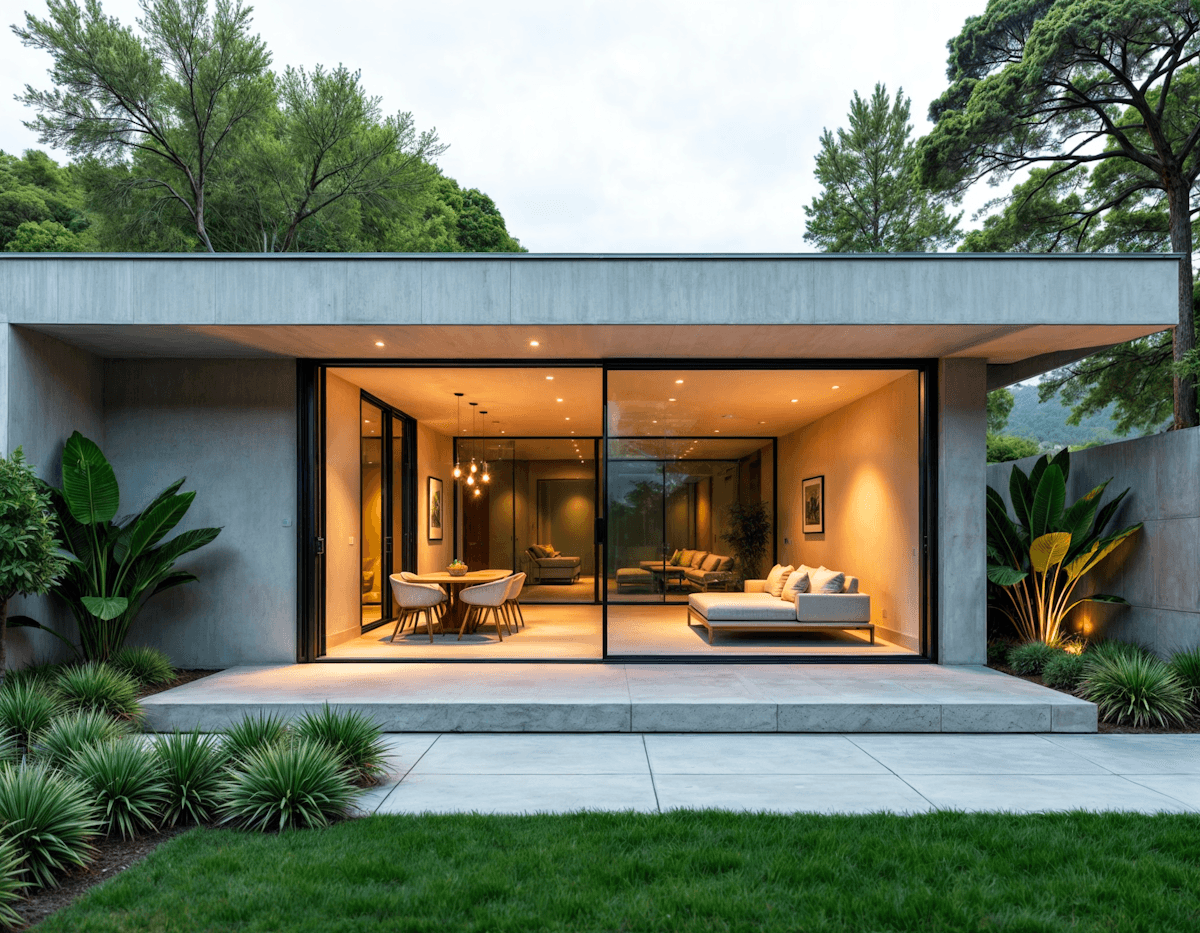
Open-plan living has become increasingly popular for its distinct ability to create spacious, connected, and flexible environments. By reducing physical barriers between core areas such as the living room, dining space, and kitchen, these layouts encourage much better interaction among family members and visiting guests. They also improve natural light distribution, make the overall home feel larger, and allow custom furniture layouts to adapt easily to different needs. Through the use of smart zoning, ambient lighting, and deliberate furniture placement, open-plan spaces can consistently feel both highly functional and beautifully refined.

Benefits of Defined Spaces
Defined rooms offer a different set of advantages. Separate areas provide privacy, reduce noise transfer, and create clearer distinctions between activities. For families balancing work, study, and relaxation, dedicated spaces can improve comfort and daily functionality.

Finding the Right Balance
Many modern homes combine elements of both open-plan layouts and defined rooms to create a more balanced living experience. Shared spaces such as the living room, dining area, and kitchen may remain open to encourage connection, movement, and natural light flow. At the same time, bedrooms, home offices, study areas, and quiet spaces are often kept enclosed to support privacy, focus, and relaxation. This balanced approach allows the home to feel social and spacious while still providing separation where comfort, concentration, and personal space are most important.
Designing for Lifestyle
The ideal layout depends largely on how a home is used on a daily basis. Households that frequently entertain guests may benefit from open-plan spaces that encourage conversation, movement, and connection between the kitchen, dining, and living areas. In contrast, families or individuals who need quiet work environments, study areas, or private relaxation zones may prefer more separation between rooms. Understanding daily habits, family routines, privacy needs, and social patterns is essential to creating a floor plan that feels practical, comfortable, and naturally aligned with the way people live.
Conclusion
Both architectural design approaches offer valuable benefits, and the most successful homes often blend open-plan freedom with clear structural boundaries to fully support the demands of modern daily living.